
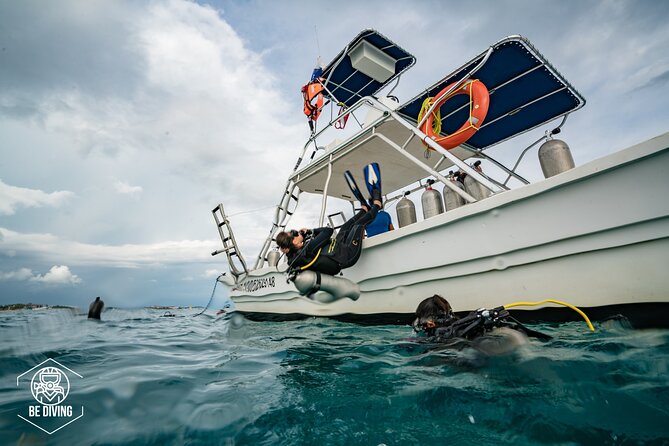
Reviewed · DISCOVER SCUBA DIVING COURSES IN COZUMEL
Open Water Course Cozumel
Cozumel is the payoff here: after learning the basics, you get to use them along the Mesoamerican reef, one of the Caribbean’s great underwater settings. Be Diving Scuba Academy builds the course around theory, pool practice, and open-water training, so you are not simply handed equipment and sent into the sea.
I like the patient teaching style, especially the focus on trim, buoyancy, and gentle fin technique from the start. I also like the choice of online study or classroom lessons, which makes the course easier to fit into a short holiday. The main thing to check is the meeting point: the activity is described as starting in San Miguel de Cozumel, while the ticket redemption address is in Playa del Carmen and the schedule may include Casa Cenote and ferry travel.
Key points to know before booking
- Two or three-day format: You can complete the course in a shorter schedule if your holiday allows little spare time.
- Three-part training: Expect theory, confined-water skill practice, and open-water sessions, not just a quick introductory swim.
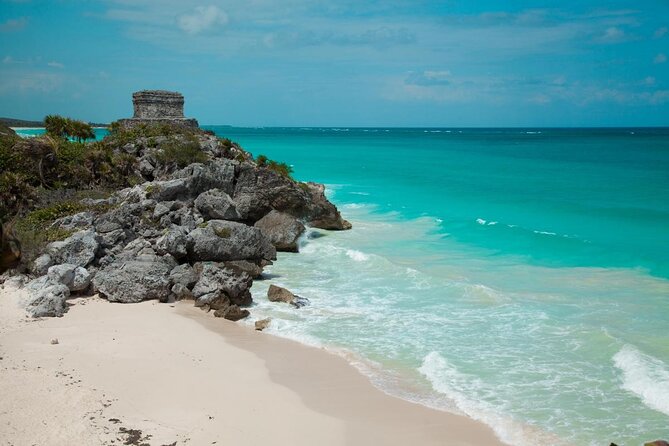
- Reef and cenote settings: Training may include Casa Cenote near Tulum and ocean sessions around Cozumel, depending on the arranged schedule.
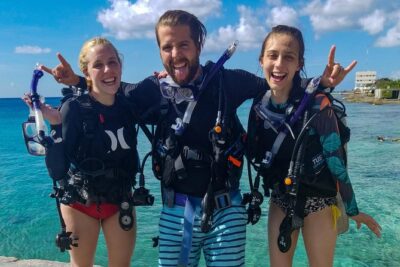
- Patient instruction: Jon, Mariana, and Cata are named as instructors associated with the course, with special attention given to comfort and steady progress.
- Conservation-minded approach: The teaching stresses responsible behavior, buoyancy control, and protecting coral and marine life.
- $600 value: The price makes the most sense if you want an actual PADI certification rather than a single recreational underwater outing.
What the $600 course really gives you
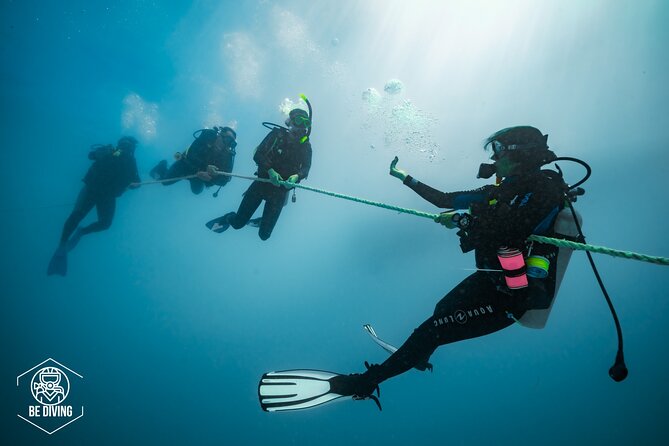
At $600 per person, this is not a bargain-basement tryout. It is a full PADI Open Water Diver course, built to teach you the basic skills needed for future scuba trips around the world.
That distinction matters. A resort experience may let you breathe underwater for a short time under close supervision. This course is meant to give you a certification, along with the theory and practical training needed to continue as an independent recreational scuba participant within your certification limits.
The value is strongest if you already know you want to keep scuba diving. You are paying for instruction, equipment use, pool work, open-water training, and the time needed to correct mistakes before they become habits. If you only want to try scuba once, a shorter introductory activity may be a better fit.
The course is offered in English. It is a private activity for your group, which should give the instructor more room to adjust the pace to your comfort level. That can be important on a first underwater experience, when removing a mask, clearing a regulator, or controlling your buoyancy can feel awkward at first.
The activity is generally described as lasting about three days, though the course can be completed in two or three days. Before paying, ask which schedule applies to your dates and exactly what is included in the $600 price.
More Discover Scuba Diving Courses in Cozumel
- Discover Scuba Diving in Cozumel Paradise Reef
★ 5.0 · 686 reviews - Discover Scuba Diving
★ 5.0 · 139 reviews - PADI Discover Scuba Diving Tour in Cozumel
★ 4.5 · 67 reviews
Day one: theory, equipment, and confined water
Every Open Water course begins with the less glamorous but essential work: understanding how scuba works. You learn the basic principles of pressure, breathing, equipment use, safety, and underwater communication.
You can complete this theory section online through independent study or take it in a classroom. Online study is useful if you want to arrive prepared and save classroom time. Classroom work may suit you better if you prefer to ask questions as the material comes up.
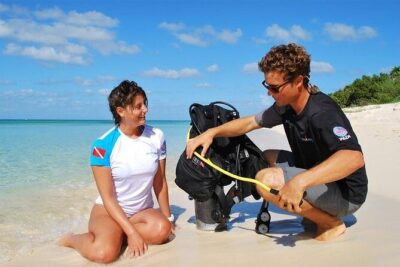
The practical equipment includes a mask, snorkel, fins, regulator, buoyancy control device, and air tank. You learn what each part does and how it fits into the larger system. The instructor checks your progress rather than simply moving on because the clock says it is time.
The confined-water portion is where the course begins to feel real. You practice basic skills in a controlled setting before heading into the sea. Be Diving has a small pool on site, which is particularly useful for a beginner working on buoyancy and body position.
That small pool is not a glamorous feature, but it is a valuable one. A confined setting gives you room to repeat a skill without current, waves, or a large open-water environment adding pressure. If you feel nervous, this is the time to say so and ask for another attempt.
One especially useful part of the instruction is the emphasis on trim, buoyancy, and fin movement. Good control helps you avoid stirring up sand, bumping coral, or using more air than necessary. It also makes future scuba outings calmer and more enjoyable.
Day two: Casa Cenote and the first open-water skills
One reported three-day schedule uses Casa Cenote near Tulum for the first two open-water sessions. The cenote setting offers a change from the open Caribbean and gives you a memorable place to apply the skills practiced in the pool.
The schedule described for this outing included two sessions at Casa Cenote, with transport and lunch handled by the team. That is helpful because you can focus on the training instead of trying to coordinate a separate transfer, meal stop, and equipment plan.
The cenote itself is described as beautiful and full of fish. More important for a new scuba student, it gives you a real underwater environment in which to repeat the basics while an instructor remains close by.
Before each session, the instructor explains its goal. That simple habit helps you know what to focus on. You might be working on buoyancy, equipment skills, communication, or calm movement rather than trying to take in every sight at once.
A good instructor also knows when to slow down. Mariana is praised for making a first-time student feel comfortable, while Jon is described as patient and clear with different ability levels. Those qualities matter more than entertaining commentary when you are still learning to breathe steadily and manage several pieces of equipment at once.
Casa Cenote is not necessarily part of every two-day or Cozumel-only schedule, so confirm your route. The supplied details combine Cozumel, Playa del Carmen, and Riviera Maya locations. That may reflect different course arrangements, not one fixed itinerary.
Day three: ferry to Cozumel and reef training
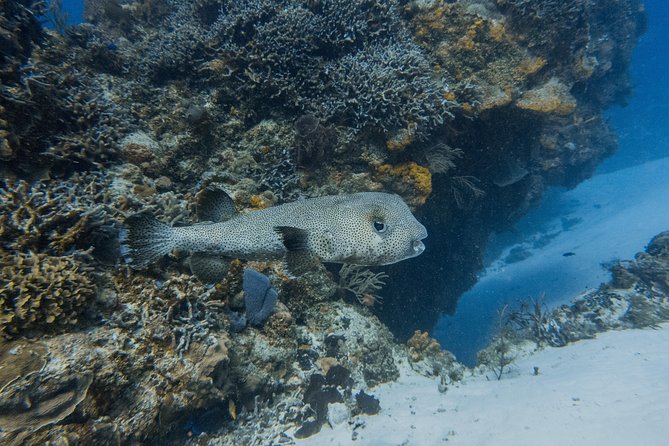
The final stage is the open ocean, and Cozumel provides the most exciting setting in the course. One schedule has the group taking the ferry from Playa del Carmen to Cozumel for the last two sessions along the Mesoamerican reef.
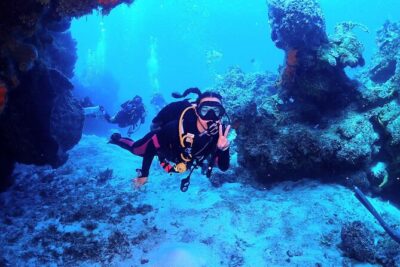
This is where the earlier practice begins to pay off. You use your mask, regulator, fins, buoyancy control device, and tank while moving through a genuine marine environment. The instructor continues to monitor your comfort and checks that you can perform the required skills.
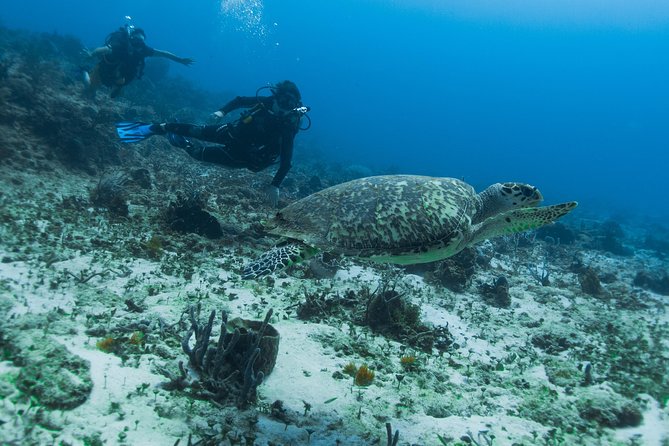
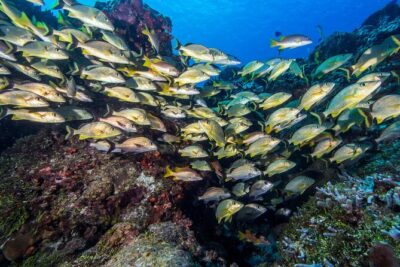
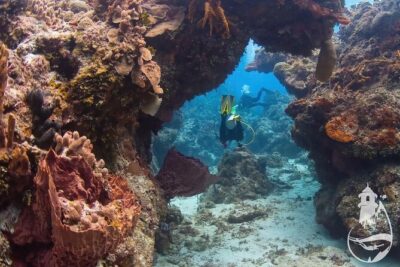
Cozumel is especially appealing for a certification course because the reef environment gives you more than a swimming pool can. You get the chance to see marine life while learning how to move without damaging the surroundings.
Do not expect the final day to be only sightseeing. Certification training still comes first. You may need to repeat skills, complete required exercises, and show that you can manage yourself calmly underwater. The scenery is the reward, but safe technique remains the purpose.
The ferry crossing also adds time and coordination. It makes the course feel like a full day out rather than a quick local lesson. If you are staying in Cozumel, confirm whether you meet the team there or travel from Playa del Carmen. If you are staying in Playa del Carmen, confirm whether the ferry is included and where the group gathers.
Same island, a completely different day out:
- Mr. Sanchos Beach Club All-Inclusive Day Pass
★ 4.5 · 6,744 reviews - Cozumel: Paradise Beach Club All-Inclusive Day Pass
★ 4.5 · 3,311 reviews - ATV 4×4+Snorkeling+Beach Club+ Lunch+Sabores de Cozumel
★ 5.0 · 1,468 reviews - Cozumel Snorkeling Tour: Palancar, Columbia and El Cielo Reefs
★ 4.5 · 1,462 reviews
Teaching style and the instructors
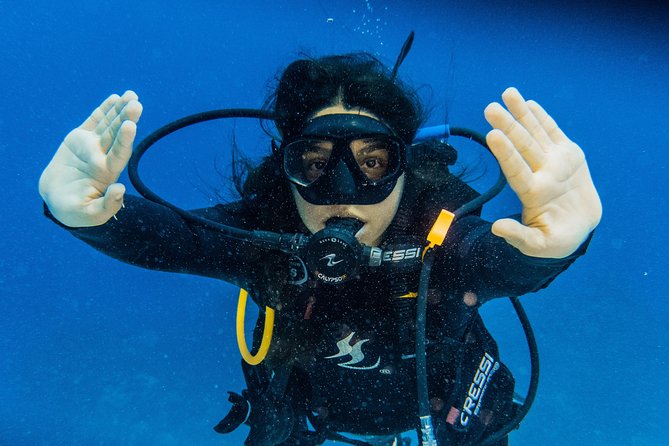
The strongest feature of this course is its attention to patient instruction. Jon is associated with a strong focus on responsible scuba practices and environmental care. His teaching approach emphasizes trim, buoyancy, and controlled fin movement from the beginning.
That foundation can make a real difference later. A newly certified person who kicks hard, floats into coral, or stirs up the bottom has not gained much from simply completing the required skills. Learning good habits early helps you become a more considerate and capable scuba participant.
Mariana is also named as an instructor who gives students time to progress at their own speed. That matters if one person in your group feels comfortable immediately while another needs extra practice with breathing, mask skills, or equipment handling.
Cata is mentioned as part of the teaching team as well. The company’s message centers on responsible scuba and conservation, not just collecting certifications. You should still ask who your personal instructor will be when you book, since the names connected with the course do not guarantee that every instructor will be present on your dates.
The private format is another advantage. You are not simply one person in a large class moving at the pace of the most confident student. The actual size of your group is not specified, so ask about the ratio of students to instructor, especially if you are anxious or traveling with mixed abilities.
Marine conservation is part of the lesson
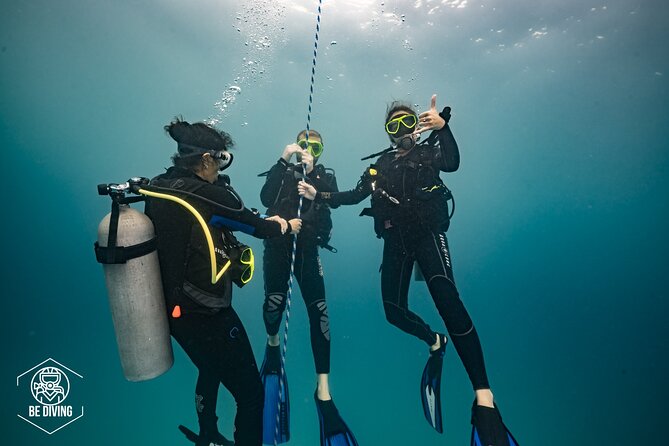
The course includes an environmental message, and that is more than a pleasant extra. Coral reefs and cenotes are easily damaged by careless movement, loose equipment, and poor buoyancy.
Your instructor explains how to avoid touching coral and disturbing the bottom. Proper trim and fin control help you keep your body clear of delicate marine life. They also help maintain visibility for everyone behind you.
This conservation focus is useful even if you plan to scuba only on vacation. A certified person should understand that the underwater world is not a swimming pool. You are responsible for managing your equipment, controlling your body, and leaving the site as you found it.
I would give this course extra credit for treating environmental care as part of basic skill, rather than as a separate speech at the end. Still, the quality of your experience will depend on how actively you listen and practice. No instructor can create good buoyancy for you without your attention.
Comfort, fitness, and what to prepare for
You should have a moderate level of physical fitness. The course involves handling equipment, entering the water, swimming, and spending time in training sessions across two or three days.
You do not need to be an expert swimmer based on the information provided, but you should be comfortable with the physical demands of scuba instruction. If you have a medical concern or are unsure about your readiness, ask the operator before booking.
The online theory option can reduce the amount of classroom time during your holiday. If you choose it, complete the work early enough to raise questions before the practical sessions begin. Rushing through the theory on the night before your first water session is a poor way to start.
Bring patience as well as swimwear. New students often need time to adjust to breathing through a regulator and to the sensation of wearing a buoyancy control device. You will learn faster if you tell the instructor when something feels uncomfortable instead of trying to hide it.
The team can also provide underwater photos or video for purchase afterward, according to the available information. That can be a nice souvenir, but I would treat it as an optional extra and keep your attention on the course itself.
Location details you should confirm
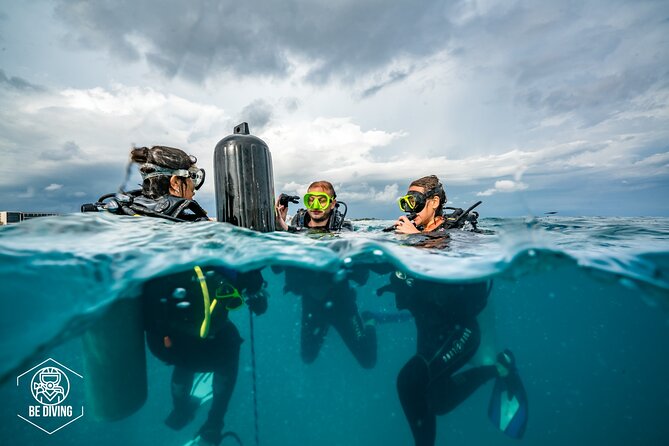
The listed starting point is San Miguel de Cozumel, Quintana Roo, and the activity ends back at the meeting point. Yet the ticket redemption address is 10 Avenida Nte. 173-5, Gonzalo Guerrero, Playa del Carmen.
The course descriptions also refer to Playa del Carmen, Casa Cenote in Tulum, and a ferry to Cozumel. These details suggest that the exact route can vary, or that the booking information combines several arrangements.
This is the single most important practical question to ask before you commit:
- Where do I meet the instructor?
- Is the $600 price based on a Cozumel schedule or a Playa del Carmen schedule?
- Is ferry or land transport included?
- Will the course take two days or three?
- Are lunch and equipment included?
- Which instructor will lead my group?
The activity is near public transportation, but that does not remove the need to confirm transfers. A clear answer will prevent an expensive or stressful surprise on your first morning.
Who should book this course
I would recommend it to a first-time scuba student who wants a real certification rather than a one-hour introduction. It also suits a small private group that values patient instruction and wants a course built around safe habits.
It is a good match if you are staying in or near Playa del Carmen or Cozumel and can give the course two or three full days. The reef setting and possible Casa Cenote sessions add variety, while the pool work gives you a controlled place to practice.
I would be more cautious if your holiday schedule is tight, your ferry connections are uncertain, or you only want one quick underwater outing. The course requires study and repeated skills, so it is not something to squeeze between unrelated day trips.
The 24-day average advance booking window is useful planning information. It suggests that you should not leave this until the final day of your holiday, particularly if you need a specific instructor or date.
Cancellation is free up to 24 hours before the start time. Within 24 hours, refunds are not available, and changes are not accepted. Poor weather or failure to meet the minimum number of participants can lead to a new date, another experience, or a full refund.
Should you book the Cozumel Open Water course?
Book it if you want to leave Mexico with a recognized scuba certification and you value careful teaching over a rushed introduction. The combination of pool work, clear skill goals, reef training, and conservation instruction gives the $600 price a reasonable purpose.
Before booking, get the meeting point and schedule in writing. The Cozumel and Playa del Carmen details need clarification, especially if your accommodation is on only one side of the water.
If Be Diving confirms the route, transport, inclusions, and instructor, this looks like a strong choice for a beginner who wants solid fundamentals. If you only want to see fish once, choose a shorter activity. If you want to keep exploring underwater after this holiday, the full course is the better investment.
FAQ
How long does the Open Water course take?
The course can be completed in two or three days, with the overall experience described as approximately three days.
Can I study the theory online?
Yes. You can complete the knowledge section through online independent study or attend classroom lessons.
What equipment will I learn to use?
The course covers a mask, snorkel, fins, regulator, buoyancy control device, and air tank.
Where does the course start?
The listed starting point is San Miguel de Cozumel, Quintana Roo, and the activity ends back at the meeting point. A Playa del Carmen ticket redemption address is also provided, so confirm the exact meeting place before booking.
Is the course offered in English?
Yes, the course is offered in English.
What happens if bad weather cancels the course?
You can be offered a different date or a full refund if poor weather causes the activity to be canceled.
Recently added around Cozumel
- Cozumel: West Coast E-Bike and Snorkeling Tour★ 4.7 · 38 reviews
- Jeep Tour of Cozumel with Lunch and Beach Club★ 5.0 · 3 reviews
- Private Jeep Tour Full Experience and ATV with Caverns & Cedral★ 5.0 · 11 reviews
- ATV tour to jade cavern with transfer (single or double)★ 5.0 · 4 reviews
- Off Road ATV Tour with Caverns, Cedral & Beach Time with Transfer★ 4.5 · 39 reviews
- Jade Cavern ATV Tour in Cozumel with Beach Break with transfer★ 5.0 · 4 reviews
- Cozumel Jungle ATV Tour Adventure and Caverns with transfer★ 3.0 · 3 reviews
- Amazing Jeep Tour Visit Punta Sur Park and San Gervasio Ruins★ 4.0 · 3 reviews
Discover Scuba Diving Courses in Cozumel, compared.
Cozumel: Discover Scuba Diving for Non-Certified Divers
Read our review →Browse the lists this tour appears in