
Reviewed · COZUMEL
General Admission
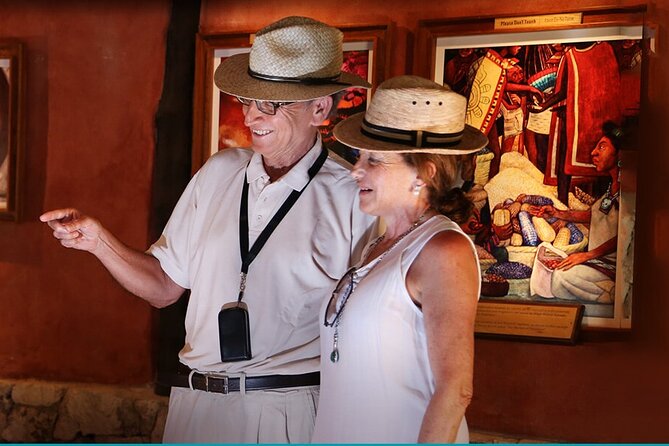
The best part of The Mayan Cacao Company is that it treats chocolate as a cultural experience, not just a snack stop. You walk among cacao plants, learn how the Maya used the beans, watch chocolate made from scratch, and taste products along the way. Guides Angel and Eduardo are especially good with questions and children.
I like the short 50-minute format, which fits neatly into a busy Cozumel day. I also like the hands-on tastings, including organic chocolate flavors, a pre-Hispanic cacao drink, and a tortilla-making demonstration. The main consideration is that transportation, souvenirs, and chocolate margaritas are not included, and one unusual visit left a couple uncomfortable when a second staff member followed silently as a trainee.
Key points to know before you book
- Chocolate goes from plant to tasting: You see cacao plants and watch a demonstration showing how chocolate is made.
- The Maya are central to the story: The visit explains cacao’s role in Mayan culture and its use by priests and emperors.
- Guides make the difference: Angel is warm and funny with children, while Eduardo is patient with questions.
- The experience is short and easy to pair: At about 50 minutes, it can fit before or after another Cozumel activity.
- Tastings are part of admission: You can sample chocolate, while chocolate margaritas cost extra.
- The $15 price is reasonable: It offers a focused cultural stop at a modest cost, especially if you enjoy food history.
What The Mayan Cacao Company actually offers
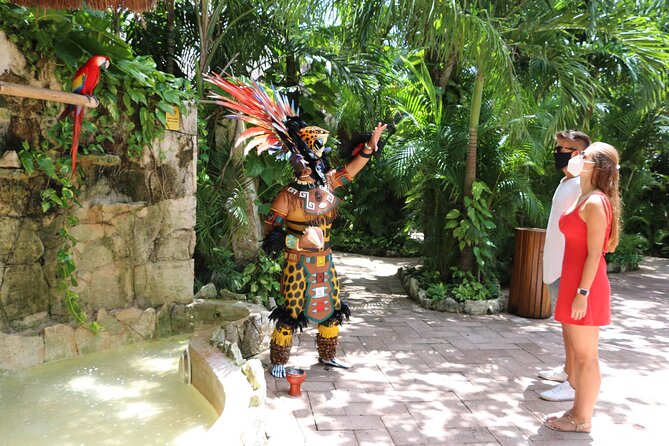
The Mayan Cacao Company is not set up as a traditional museum. You do not spend the visit reading long displays behind glass. Instead, you move through different areas of the property while a guide explains cacao, Mayan customs, and the steps that turn cacao beans into chocolate.
That difference matters. If you want a large collection of artifacts or a formal archaeological presentation, this is not the right choice. If you want a lively introduction to cacao with food to taste and demonstrations to watch, the format works well.
The visit lasts about 50 minutes, so you can fit it into a day that already includes a beach, snorkeling, shopping, or other sightseeing. The grounds include tropical foliage and cacao plants, giving the visit more character than a simple shop counter. Wear comfortable walking shoes, since you will move around the property rather than sit in one place.
The experience is offered in English. A mobile ticket is accepted, and admission includes the guided visit and tastings.
Other days on the island people book alongside this one:
- Mr. Sanchos Beach Club All-Inclusive Day Pass
★ 4.5 · 6,744 reviews - Cozumel: Paradise Beach Club All-Inclusive Day Pass
★ 4.5 · 3,311 reviews - ATV 4×4+Snorkeling+Beach Club+ Lunch+Sabores de Cozumel
★ 5.0 · 1,468 reviews
Starting with cacao and Mayan culture
Your guide begins by placing chocolate in its Mayan setting. You learn when cacao was discovered, how it was used, and why it mattered to Mayan society. The focus is not only on modern chocolate bars. It is also on cacao as a drink, a ritual ingredient, and a product linked with priests and emperors.
That cultural background gives the tastings more meaning. Instead of simply trying several sweet flavors, you can understand why cacao was important long before modern candy companies turned it into a mass-market treat.
The presentation is designed to be interactive. You can ask questions as you go, and the named guides Angel and Eduardo have both been praised for being friendly, patient, and willing to explain details. Angel is a particularly good fit for families, since his humor and easy manner help keep younger visitors interested.
A teenage visitor reportedly preferred this stop to snorkeling earlier in the day. That does not mean the cacao visit will replace your favorite outdoor activity, but it shows how well the guides can make a food lesson appeal to different ages.
Seeing cacao plants in a tropical setting
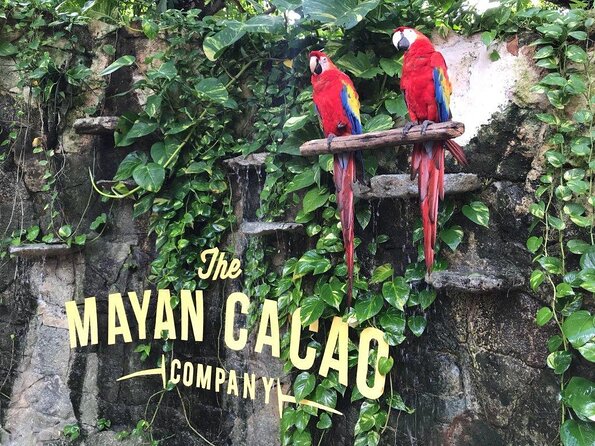
One appealing part of the visit is seeing cacao plants on the grounds. This helps connect the finished chocolate in the shop with the plant itself. The setting is tropical, with foliage around the walking areas, so the experience feels more like a small plantation-style visit than an indoor lecture.
Do not expect a large working farm or a full agricultural tour. The available information describes cacao plants as one element of the experience, not a long production tour. Still, seeing the plant adds useful context, especially if you have always known chocolate as a bar or drink but never considered where cacao begins.
This part also helps break up the talk and tastings. You get a change of scene before the demonstration, and families have a little room to look around instead of sitting through a continuous presentation.
Mosquito repellent is recommended. That is practical advice for any outdoor stop in Cozumel, especially when the visit includes tropical grounds.
Watching chocolate being made from scratch
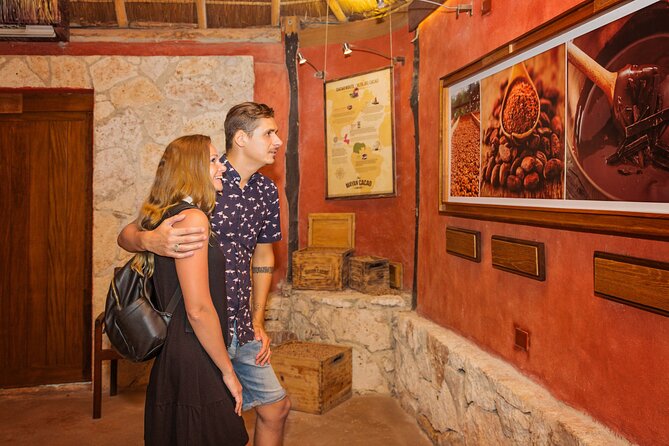
The chocolate-making demonstration is the heart of the visit for many people. You watch the process rather than hearing only a general explanation. The demonstration shows how cacao becomes the chocolate products you taste later.
The exact length and level of technical detail can depend on the guide and the pace of the group. Eduardo, for example, is described as patient with questions, which is helpful if you want more than a quick show. You can ask about the ingredients, preparation, and the difference between traditional cacao drinks and modern chocolate.
A tortilla experience may also be included during the visit. It adds a small but welcome link to everyday Mexican food culture. The warm tortillas have been a favorite part for some families, and they give the stop more range than a chocolate-only tasting.
I like that this demonstration lets you see food preparation in action. It is much easier to remember a process after watching it than after reading a paragraph about it. The drawback is that the experience is still a compact introduction, not a professional chocolate-making class. You will observe and taste, but you should not book it expecting to make a large batch of chocolate yourself.
Same island, a completely different day out:
- Cozumel Snorkeling Tour: Palancar, Columbia and El Cielo Reefs
★ 4.5 · 1,462 reviews - From Cozumel: 3 Reefs Boat Tour with Drinks and Snorkeling
★ 4.3 · 1,080 reviews - The Cozumel Turtle Sanctuary Snorkel Tour
★ 4.5 · 1,041 reviews - Submarine Atlantis Cozumel Adventure by Day & Sunset
★ 4.5 · 770 reviews
Tasting organic chocolate and traditional drinks
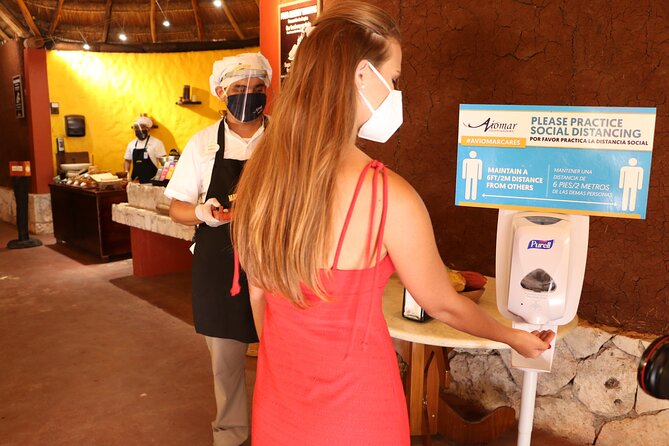
The tasting portion is where the visit becomes especially enjoyable for anyone who already loves chocolate. The company offers 13 flavors of 100 percent organic, gluten-free chocolate. That gives you a chance to compare several styles and decide which one you prefer.
The tastings are included with admission. They are not just a sales pitch, since they accompany the story about cacao and the demonstration. Still, the boutique is part of the final stop, so you will have a clear opportunity to buy products afterward.
You can also try a pre-Hispanic cacao drink associated with Mayan priests and emperors. The drink gives you a sense of how cacao was consumed before modern milk chocolate and candy. Its flavor may be less familiar than a sweet chocolate drink, so approach it as a cultural sample rather than expecting a standard dessert.
Chocolate margaritas are another option, but they are not included. The same applies to photographs, souvenirs, and other services not specifically listed. If you want to keep the visit close to the $15 admission price, you can enjoy the included tastings and skip the extras.
The boutique and what you can buy
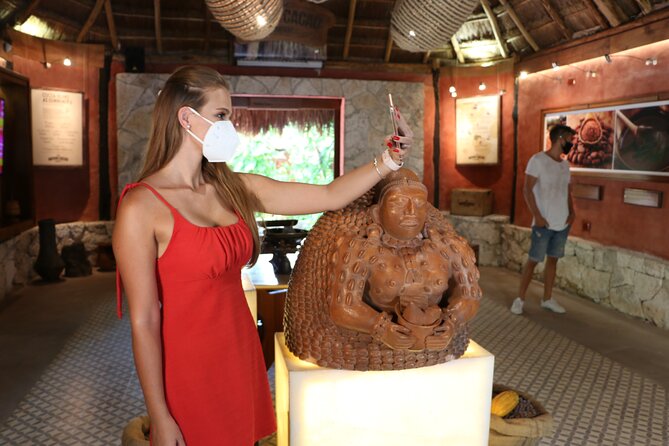
The boutique carries a wide range of cocoa-based products. You might find handmade chocolate bars, sauces, soaps, lotions, and other items made with cacao. This gives you more choice than a standard souvenir stand, particularly if you want something small to take home.
The 13 chocolate flavors make the boutique useful even if you do not want a decorative souvenir. You can sample first, then buy a favorite instead of guessing from a package. The shop also gives you a practical way to extend the experience after the tour ends.
Keep in mind that purchases are separate from admission. The $15 ticket covers entry and tastings, not photographs or souvenirs. If you are visiting on a tight budget, decide in advance whether you want to buy anything, since the selection can make it tempting to add a few extras.
How the $15 price works for a Cozumel day
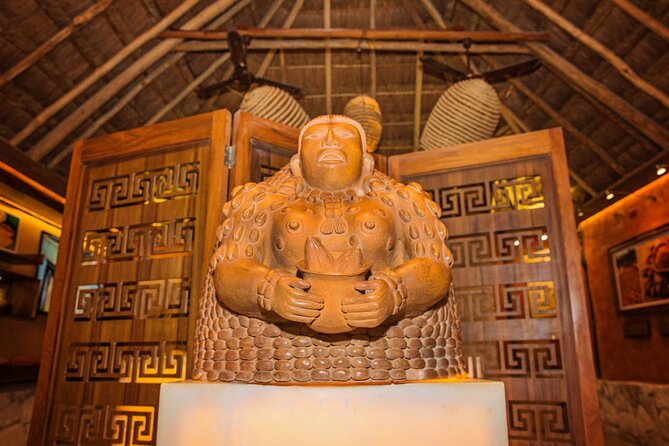
At $15 per person, this is a modest-priced activity. You get admission, an English-language guided experience, a chocolate demonstration, cacao tastings, and a look at Mayan connections with chocolate. For a visit lasting about 50 minutes, the price is fair rather than a major bargain, but it offers solid value for a short stop.
The value improves if you are already nearby or have arranged your own transportation. Transportation is not included, so factor that into the total cost. The experience can also pair well with another activity because it does not use most of your day.
The skip-the-line admission is useful when the property is busy, though you should not confuse it with a full-day priority pass. It simply helps you enter without waiting in the regular admission line.
The booking information lists a maximum of one traveler, which appears unusual for a food and culture activity, especially since families and pairs have taken part. If you are booking for more than one person, check the reservation details carefully so the group size is recorded correctly.
The experience is rated 4.8 out of 5, with 96 percent of customers recommending it. Those numbers fit the activity’s strongest features: friendly guides, a short schedule, plenty of samples, and a clear connection to Mexican and Mayan culture.
Who will enjoy this stop most
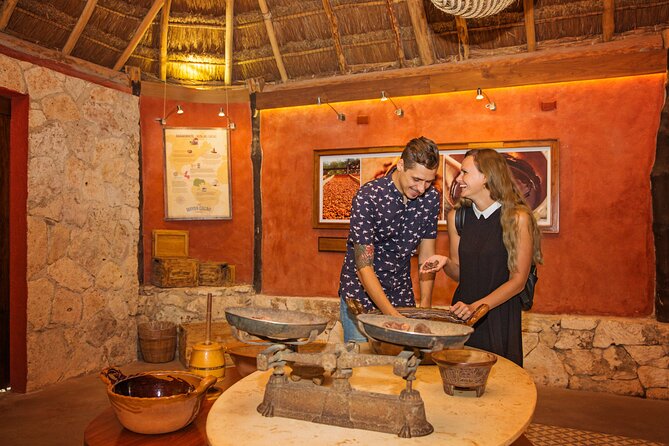
I would recommend this experience to chocolate lovers, families, cruise visitors with limited time, and anyone who wants a cultural activity without committing to a half-day tour. It is also a good choice if you have already spent time in the water and want something slower and more food-focused.
Children can do well here, especially with a guide such as Angel, who uses humor and keeps the presentation approachable. The tortilla demonstration adds another point of interest for younger visitors who might not want a long history lesson.
You should think twice if you dislike guided tastings or prefer to explore entirely on your own. The visit follows a set route and depends on the guide’s presentation. It also may feel too brief if you want a detailed study of Mayan archaeology or a serious chocolate-making workshop.
The stop suits most activity levels. Most people can participate, and service animals are allowed. Comfortable shoes and mosquito repellent are the main practical preparations.
A small concern about the guiding style
The overall tone of the experience is warm, but one issue is worth noting. On one visit, a second employee followed the group silently for part of the tour as a trainee. That made the visitors uncomfortable, even though the employee was there to observe the guide and not to interfere.
This appears to have been an unusual training situation rather than a standard feature of the tour. Still, if you find silent observation uncomfortable, you can politely ask your guide who is accompanying the group. Clear communication should solve the problem quickly.
The stronger pattern is direct, friendly guiding. Angel has been especially effective with children, while Eduardo has allowed plenty of questions during the chocolate demonstration. A good guide matters here because the property and tasting samples are only part of the experience. The explanations connect everything.
Timing, tickets, and practical planning
You receive confirmation when you book, and the ticket is mobile. The experience is offered in English. It is often booked about 26 days ahead, so reserving early is sensible if your Cozumel date is fixed.
You can cancel for a full refund if you do so at least 24 hours before the start time. Cancellations made within 24 hours are not refunded, and changes inside that window are not accepted. The cut-off follows Cozumel local time.
Plan your transportation separately. The ticket does not include transfers, and you should also budget separately for margaritas, photographs, souvenirs, and any service not named as included.
Because the visit lasts about 50 minutes, leave enough time for transport and the rest of your plans. If you want to visit a beach next door, as some visitors have done, confirm the route and timing for yourself before booking. The short duration makes that kind of pairing possible, but it does not guarantee that every connection will be convenient.
Should you book The Mayan Cacao Company?
Book it if you want a short, affordable food-and-culture stop with tastings, a demonstration, and a Mayan connection. It is especially useful for families and cruise-day schedules, and the guides can make the presentation lively without stretching it into a long excursion.
Skip it if you want a large museum, extensive archaeological detail, or transportation included in the ticket. The activity is compact and guided, with extra costs for margaritas and purchases.
For $15, I think it is a sensible Cozumel add-on. You get more than chocolate samples, but you should keep your expectations focused: this is an interactive introduction to cacao, not a full plantation tour or a formal history museum.
FAQ
How long does The Mayan Cacao Company experience last?
The visit lasts approximately 50 minutes.
What is included in the admission price?
Admission includes entry to The Mayan Cacao Company and tastings.
Is the chocolate-making demonstration included?
Yes. The experience includes a demonstration showing how chocolate is made from scratch.
Is transportation included?
No. Transportation to and from The Mayan Cacao Company is not included.
Are chocolate margaritas included?
No. Chocolate margaritas cost extra.
Is the experience offered in English?
Yes. The experience is offered in English.
Can I use a mobile ticket?
Yes. A mobile ticket is available, and confirmation is received at booking.
Are service animals allowed?
Yes. Service animals are allowed.
What should I wear or bring?
Comfortable walking shoes are recommended, and mosquito repellent is also suggested because the experience includes tropical outdoor areas.
Recently added around Cozumel
- Cozumel: West Coast E-Bike and Snorkeling Tour★ 4.7 · 38 reviews
- Jeep Tour of Cozumel with Lunch and Beach Club★ 5.0 · 3 reviews
- Private Jeep Tour Full Experience and ATV with Caverns & Cedral★ 5.0 · 11 reviews
- ATV tour to jade cavern with transfer (single or double)★ 5.0 · 4 reviews
- Off Road ATV Tour with Caverns, Cedral & Beach Time with Transfer★ 4.5 · 39 reviews
- Jade Cavern ATV Tour in Cozumel with Beach Break with transfer★ 5.0 · 4 reviews
- Cozumel Jungle ATV Tour Adventure and Caverns with transfer★ 3.0 · 3 reviews
- Amazing Jeep Tour Visit Punta Sur Park and San Gervasio Ruins★ 4.0 · 3 reviews