
Reviewed · COZUMEL TURTLE AND WILDLIFE ENCOUNTERS
Cozumel: General Entrance to Mayan Bee Sanctuary
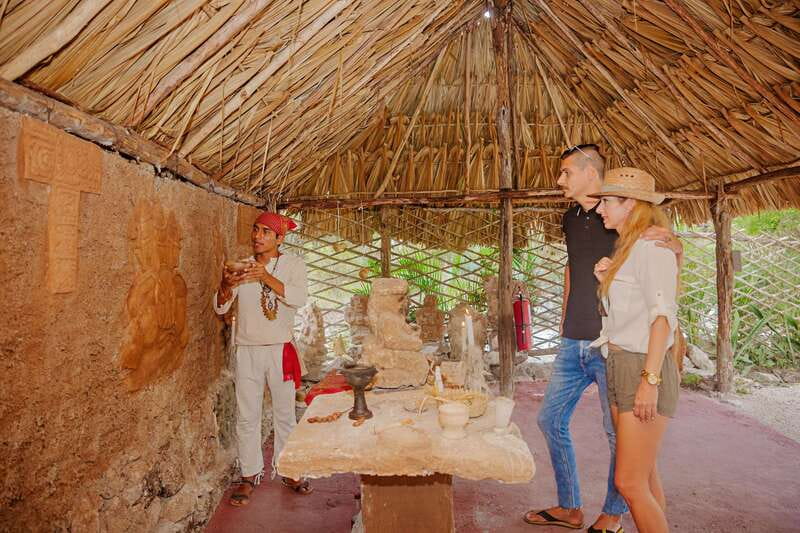
Cozumel’s Mayan Bee Sanctuary offers a close look at Melipona bees, the small stingless bees once prized by the Maya for healing and nourishment. You’ll inspect the colony’s unusual social order, walk past limestone carvings of Ixchel and the Aluxes, and finish with honey tasting.
I like the tour’s short 45-minute length and its mix of nature, Maya culture, and food. I also like that the small groups, limited to 10 people, give the guide room to explain the queen, workers, drones, princesses, and guardian. The main drawback is transport: pickup is not included, and arranging a ride back matters because a waiting taxi can become expensive.
Key points to know before you go
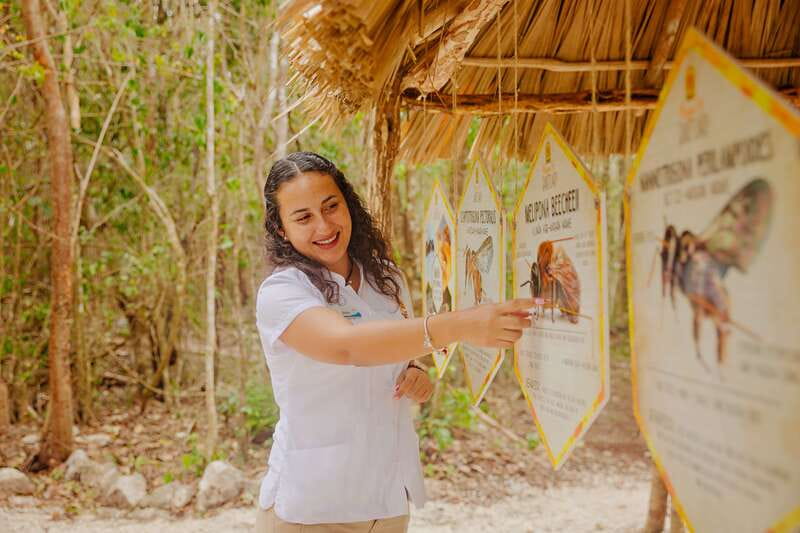
- Three types of stingless bees: You may see three kinds of native Mayan honey bees in the wild during the visit.
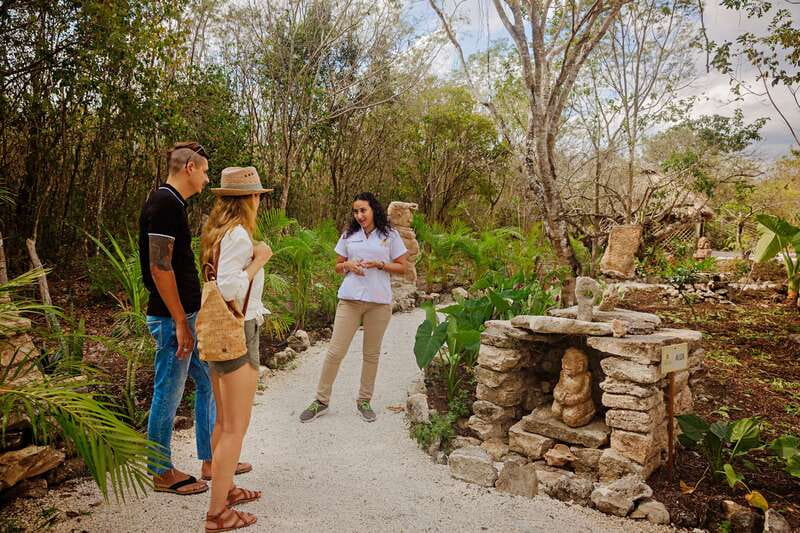
- Limestone monolith path: Local artist-made carvings depict Maya religious figures and symbols, including Ixchel, Aluxes, and stelae.
- Honey, pollen, and propolis tasting: The final tasting goes beyond ordinary honey and introduces products made from the colony’s useful materials.
- A compact 45-minute visit: This works well between other Cozumel plans, especially if you want more than shopping, food, or snorkeling.
- Small-group guiding: Groups are limited to 10, with English and Spanish offered live.
- Uneven ground: You need comfortable shoes and enough mobility for gravel terrain.
Why the stingless bees matter in Maya culture
The first thing to understand is that this is not simply a honey shop with a few hives out back. The visit explains why Melipona bees held a special place in Maya life and why their honey was treated as more than a sweetener.
Ancient Maya communities valued Melipona honey for its healing qualities. The tour connects honey with restoring well-being and harmony of the heart, as well as providing vigor and strength. That cultural link gives the tasting more meaning. You are not just sampling a local product. You are learning why this bee mattered to the people who lived here long before modern Cozumel became a resort destination.
Melipona bees are stingless, which makes their behavior and hive structure different from the honeybees many people know. I find that distinction especially useful for families and anyone who has only seen standard beehives. The guide explains the colony from the inside out, so you can follow how the queen, princesses, drones, workers, and guardian each support the group.
The bee colony is a lesson in organization. The queen’s role is central, but she is not working alone. Workers handle the daily tasks, drones have their own function, princesses represent the colony’s future, and the guardian helps protect the entrance. The explanation turns a small hive into a living society that is easy to understand in a short time.
More turtle and wildlife encounters in Cozumel:
- The Cozumel Turtle Sanctuary Snorkel Tour
★ 4.5 · 1,041 reviews - 4 Hour Cozumel Turtle Sanctuary Experience on a Luxury Catamarán
★ 5.0 · 608 reviews - From Cozumel: Starfish, Stingrays and the Turtle Sanctuary
★ 4.4 · 455 reviews
Walking the limestone monolith path
The sanctuary’s monolith path adds a cultural stop before or alongside the bee presentation. Local artist-made limestone pieces show Maya religious symbols and ideas about the civilization’s growth. The sculptures include the Goddess Ixchel, Aluxes, and stelae.
This is not a large archaeological site with ruins spread across acres. It is a focused exhibition, and that is part of its appeal. You can view the carvings without spending half a day under the sun or trying to make sense of a major site on your own. The pieces give the guide a visual way to discuss Maya beliefs and artistic traditions.
I would take your time here rather than treating the path as a quick walk to the hives. Look at how the limestone is shaped and listen for the connection between the figures and the bee traditions explained later. The experience works best when the two parts are treated as related: the monoliths show cultural beliefs, and the Melipona colony shows a living tradition tied to that culture.
The ground includes uneven gravel, so shoes with a firm sole are a smart choice. Sunglasses, comfortable clothes, biodegradable sunscreen, and insect repellent also make sense for an outdoor visit. The sanctuary is not suitable for wheelchair users or people with mobility impairments.
Inside the Meliponary
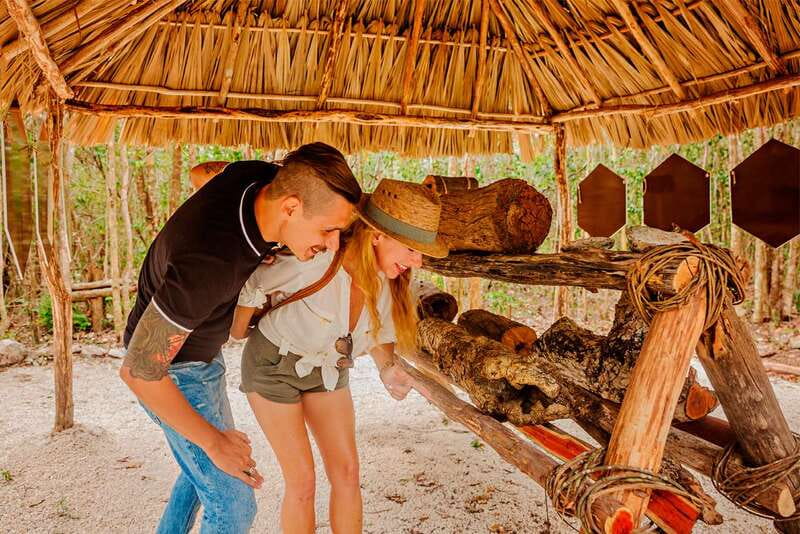
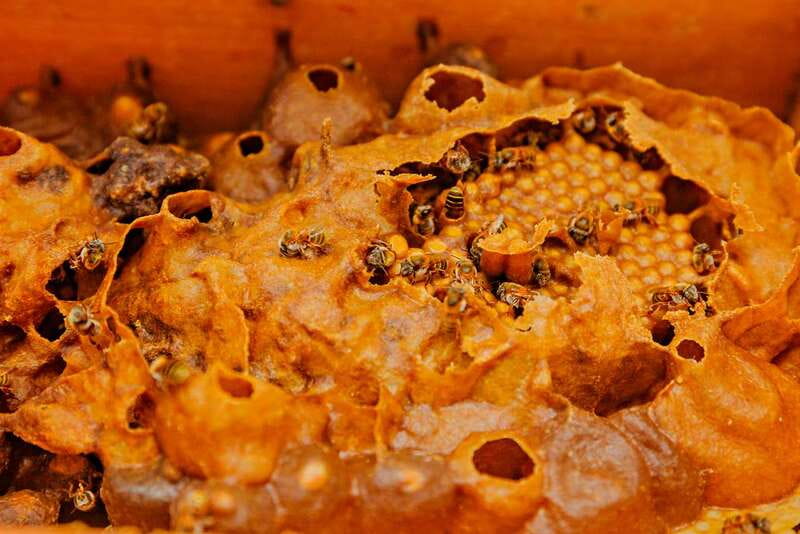
The Meliponary is the practical heart of the experience. Here you see how the hives are arranged and learn what happens inside them. The guide explains the colony’s structure in plain terms, helping you understand why each bee has a particular job.
You may see three kinds of Mayan honey bees in the wild during the visit. That detail gives the stop more life than a display of empty boxes. You are looking at active colonies and learning how native stingless bees fit into the local environment.
The guide also explains the relationship between Melipona bees and the Maya people. This connection includes food, medicine, belief, and care for the natural world. One of the strongest aspects of the visit is that it treats the bees as part of a living ecosystem, not only as producers of a souvenir product.
Guides named Russell and Roberto have been singled out for their warm, clear presentations. You should not book on the assumption that one particular guide will lead your visit, but the small-group format gives any assigned guide a better chance to answer questions. English and Spanish are available.
A short ceremony may also be part of the visit. It can add a more reflective moment to an otherwise educational stop, especially if you are interested in the spiritual side of Maya culture. The exact presentation can vary, so think of it as a possible cultural element rather than the main reason to book.
Honey tasting, pollen, and propolis
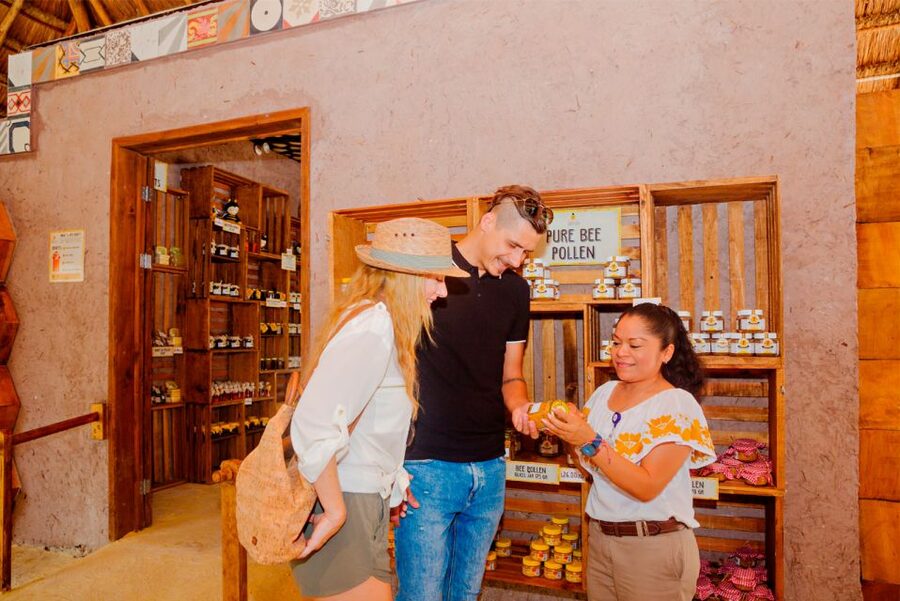
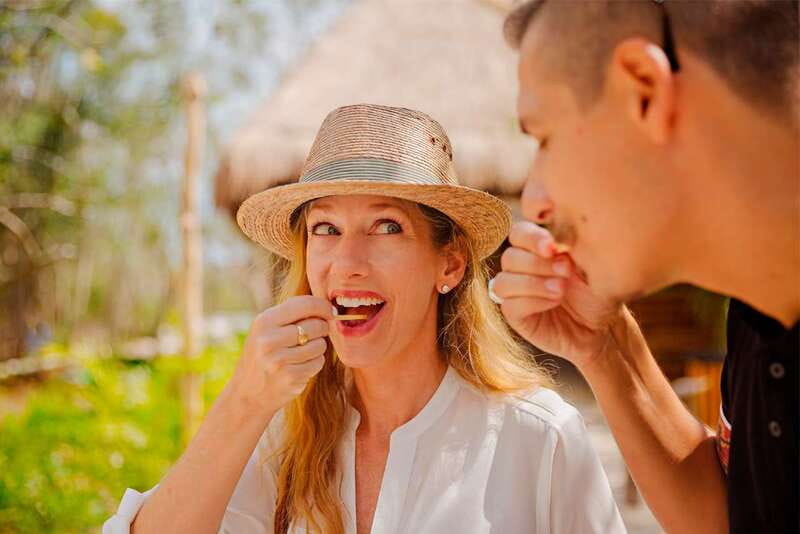
The tasting comes near the end, and it gives you a chance to compare different varieties of honey. Melipona honey has its own character, so this is more interesting than simply being handed a small spoonful of standard table honey.
You may also taste pollen and propolis pearls. These products come from different parts of the bee’s work, and sampling them helps explain why the colony has long been valued for more than honey alone. The flavors and textures may be unfamiliar, but that is part of the point. You are trying products closely linked to the bees and their place in local culture.
The sanctuary also shows how honey and bee products are used in items such as candies, eye drops, soaps, shampoos, creams, and other goods. This section helps connect the hive to everyday use. If you want a physical reminder of the visit, you may find honey products available for purchase, but the provided information does not promise that every item will be in stock.
I like this ending because it gives the tour a sensory finish. You hear about the bees, see the hives, and then taste what the colony produces. For children, that sequence can hold attention better than a long talk. A past visitor specifically described the visit as a good fit for kids with short attention spans because it lasts about an hour and keeps changing focus.
More Mayan ruins and culture tours in Cozumel:
- Jade Caverns and Mayan Village Cozumel ATV TOUR
★ 5.0 · 507 reviews - Authentic Mayan Cooking Class in Cozumel
★ 5.0 · 344 reviews - Island Buggy Tour & Mayan Experience
★ 5.0 · 305 reviews - Cozumel Mayan Ruins and Beach Break
★ 5.0 · 233 reviews
Is $13 a good value for 45 minutes?
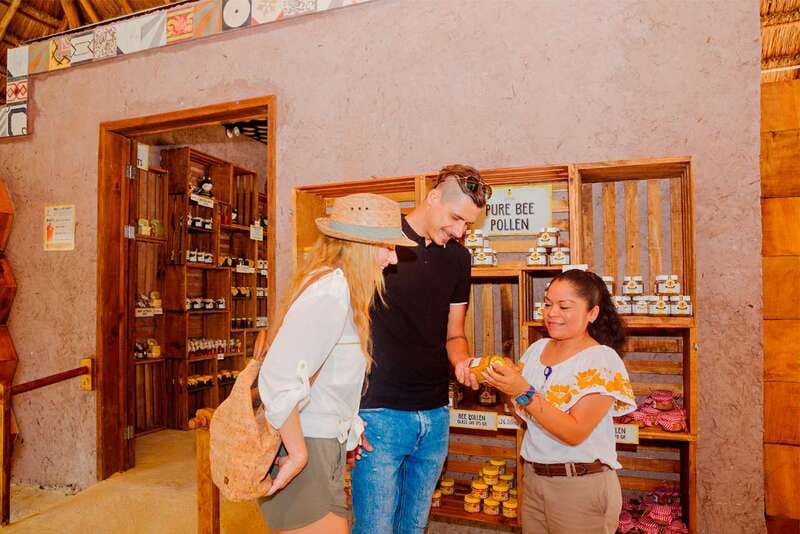
At $13 per person, I consider this a fair price for a short, guided cultural stop. The cost includes entrance, a certified English or Spanish-speaking guide, the limestone monolith exhibition, the Meliponary, and honey tasting. You are paying for interpretation, not simply access to a path and a few hives.
The value depends on what you want from Cozumel. If your day is already built around snorkeling, beach time, or a major excursion, this can add a compact local experience without taking over your schedule. If you want a full half-day activity, the sanctuary will feel too brief.
The 45-minute duration is both its strength and its limit. I like that you can fit it into a morning or afternoon with other plans. I would not travel a long distance solely for the sanctuary unless bees, Maya culture, or local food traditions are high on your list.
The largest extra cost can be transportation. There is no pickup or drop-off, and you need to arrive at the sanctuary by following the Mayan Bee Sanctuary sign. One visitor had a costly taxi experience because the driver had to wait during the tour. Arrange your return ride in advance if possible, or make sure you have a clear plan before arriving. Cash is worth carrying.
Who will enjoy this Cozumel stop?
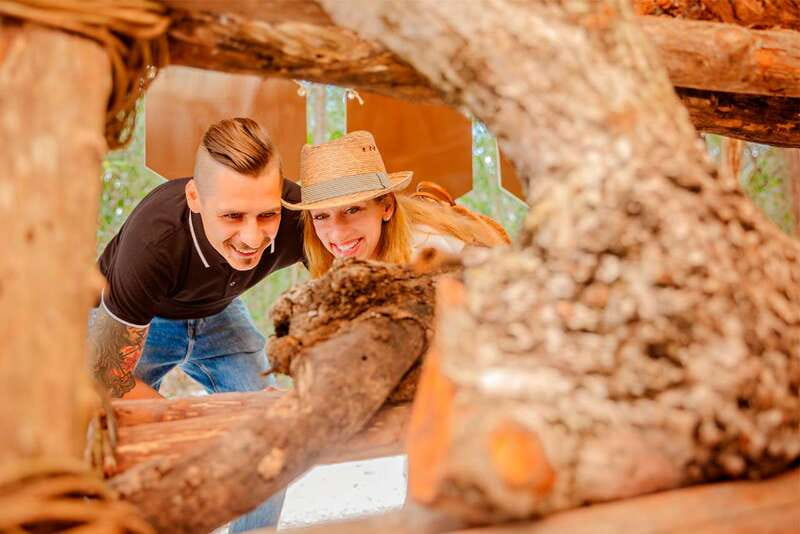
I would recommend the sanctuary to you if you want a quieter alternative to the island’s usual shopping, food, and water activities. It suits curious families, couples, anyone interested in traditional medicine, and visitors who want a short introduction to Maya culture without committing to a large archaeological excursion.
Children may enjoy the live bees, tasting, and changing pace. The visit is also useful for adults who prefer a focused experience rather than a long lecture. Since groups are limited to 10, you are more likely to hear the guide and ask questions than you would in a large coach group.
I would be more cautious if you have trouble walking on gravel or need wheelchair access. The sanctuary is not suitable for wheelchair users or people with mobility impairments, and there is no promise of smooth, paved terrain.
This is also not the right choice if you expect a full meal, a long nature walk, or extensive ruins. Food and drinks beyond the honey tasting are not included. The monolith path is an exhibition, not a large Maya city. The tour gives you a compact look at one important tradition.
Timing, meeting point, and what to bring
Plan to arrive 15 minutes before your starting time. Look for the Mayan Bee Sanctuary sign, since pickup is not included and the meeting point is not described as a central hotel or cruise-port location.
Wear comfortable clothes and shoes that handle uneven gravel. Sunglasses and biodegradable sunscreen are useful for the outdoor portions, while insect repellent may make the visit more comfortable. Bring cash for transport or purchases.
The tour is offered in English and Spanish, with a live guide. Check the available start times when booking because the experience lasts 45 minutes, not a fixed full-day schedule. Free cancellation is available up to 24 hours ahead for a full refund, and you can reserve now and pay later if you want to keep your plans flexible.
My recommendation
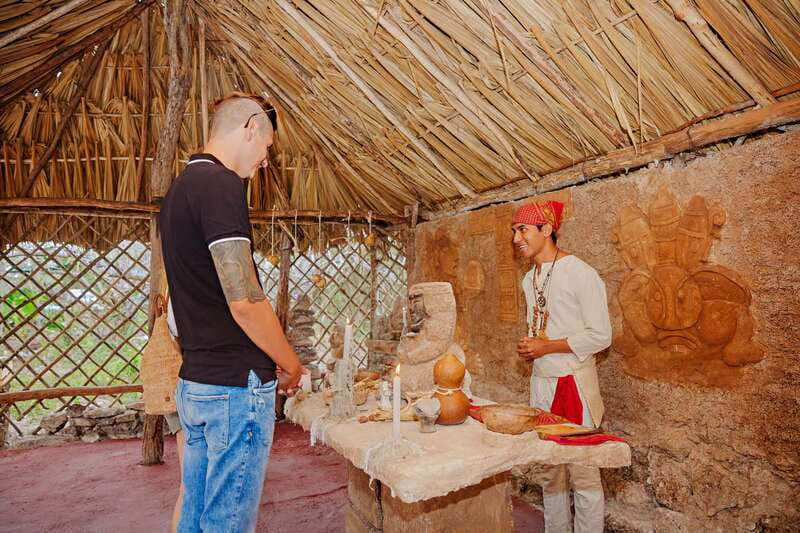
Book this tour if you want a short, affordable look at Maya bee culture and you are happy to arrange your own transportation. The best reasons to go are the active Melipona colonies, the clear explanation of bee roles, the limestone carvings, and the chance to taste honey, pollen, and propolis.
Skip it if you need step-free access, want a long excursion, or would rather spend your limited Cozumel time in the water. For everyone else, the sanctuary offers a thoughtful change of pace at a modest price. Just solve the ride back before you arrive.
FAQ
How long does the Mayan Bee Sanctuary experience last?
The visit lasts 45 minutes.
How much does admission cost?
General entrance costs $13 per person.
What is included in the price?
The price includes entrance to the sanctuary, a certified English or Spanish-speaking guide, honey tasting, the Mayan Monoliths Exhibition, and access to the Meliponary.
Is transportation included?
No. Pickup and drop-off are not included, so you need to arrange your own transportation.
Where do I meet the tour?
Arrive at the Mayan Bee Sanctuary 15 minutes before the activity begins and look for the Mayan Bee Sanctuary sign.
What languages are available?
The live tour guide speaks English or Spanish.
What will I taste during the visit?
You can sample different varieties of honey, as well as pollen and propolis pearls.
Is the sanctuary suitable for wheelchair users?
No. The experience is not suitable for wheelchair users or people with mobility impairments, and some walking on uneven gravel is required.
Can I cancel or pay later?
You can cancel up to 24 hours in advance for a full refund. Reserve now and pay later is also available.
Recently added around Cozumel
- Cozumel: West Coast E-Bike and Snorkeling Tour★ 4.7 · 38 reviews
- Jeep Tour of Cozumel with Lunch and Beach Club★ 5.0 · 3 reviews
- Private Jeep Tour Full Experience and ATV with Caverns & Cedral★ 5.0 · 11 reviews
- ATV tour to jade cavern with transfer (single or double)★ 5.0 · 4 reviews
- Off Road ATV Tour with Caverns, Cedral & Beach Time with Transfer★ 4.5 · 39 reviews
- Jade Cavern ATV Tour in Cozumel with Beach Break with transfer★ 5.0 · 4 reviews
- Cozumel Jungle ATV Tour Adventure and Caverns with transfer★ 3.0 · 3 reviews
- Amazing Jeep Tour Visit Punta Sur Park and San Gervasio Ruins★ 4.0 · 3 reviews
Cozumel Turtle and Wildlife Encounters, compared.
4 Hour Cozumel Turtle Sanctuary Experience on a Luxury Catamarán
Read our review →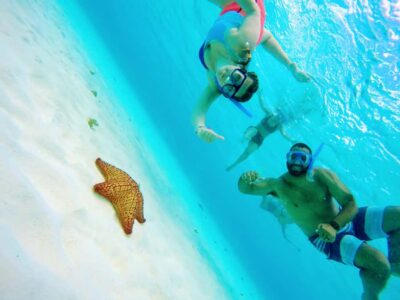
From Cozumel: Starfish, Stingrays and the Turtle Sanctuary
Read our review →
Starfish, Stingrays and the Turtle Sanctuary Snorkel Tour
Read our review →
Cozumel: Dolphin Royal Connection and Manatee Interaction
Read our review →
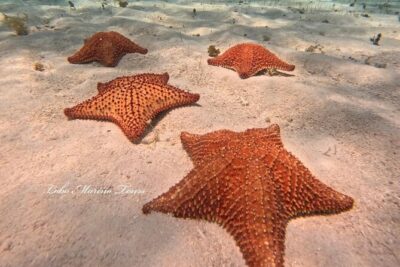
Star and Turtle Sanctuary Snorkeling Tour in Cozumel
Read our review →Browse the lists this tour appears in